



Tita-Link · Skeletal anchorage with Bollard miniplates
Skeletal anchorage for Class III in growing patients
Bollard miniplates allow continuous elastic traction between the maxilla and mandible to modify facial growth. Available in BH, PED and Y versions, with dedicated screws and instruments.
- ✓ CE marked since 2001, FDA approved since 2009, ISO 13485 certified manufacturer

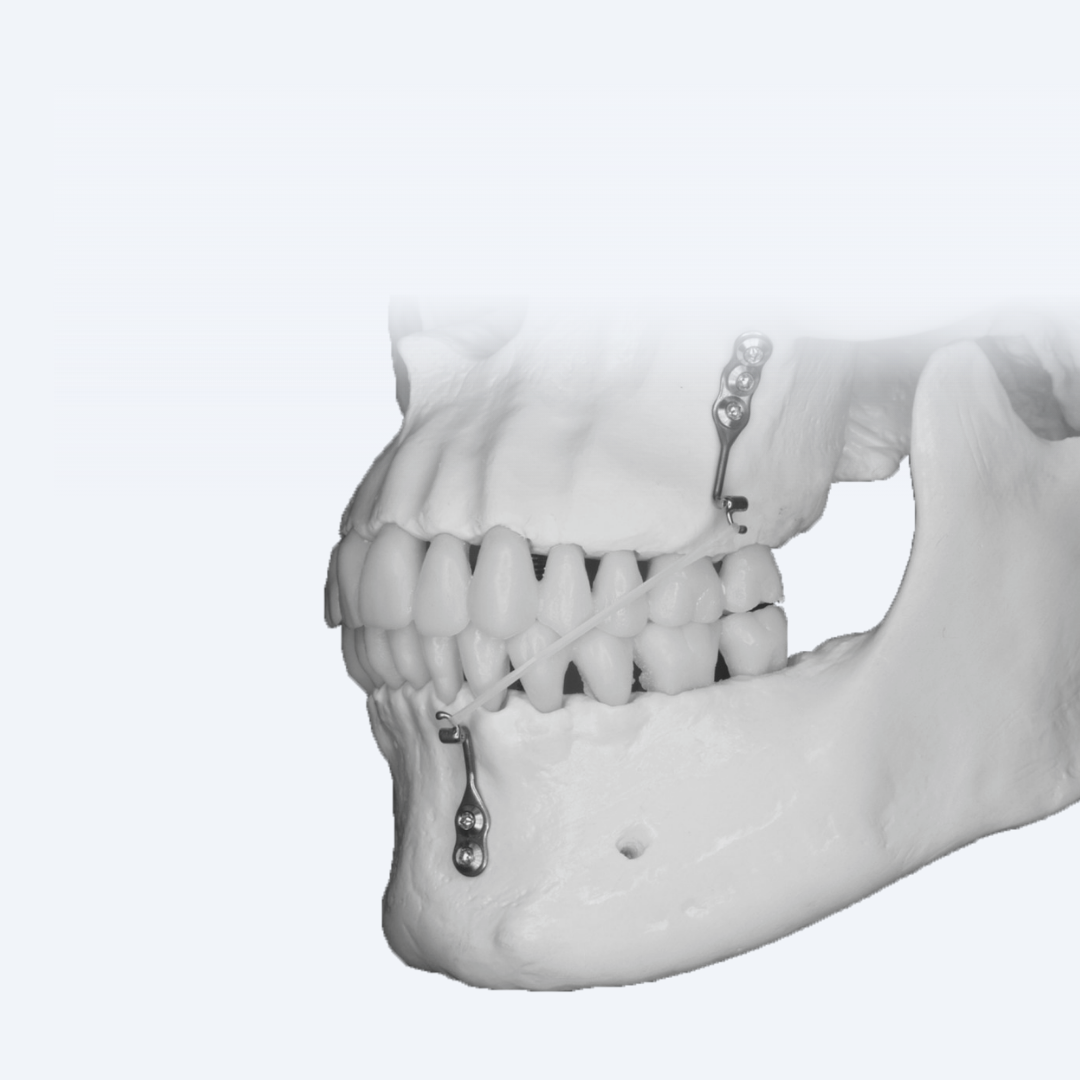
Class III orthopaedics
How Bollard skeletal anchorage works
Class III elastics anchored directly to bone, not to teeth.
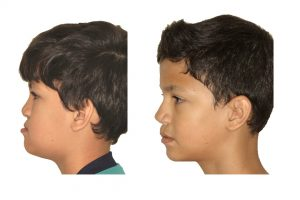
In young growing patients, the miniplates are inserted in the posterior maxilla and in the mandibular canine region. Continuous elastic traction between the upper and lower miniplates stimulates forward growth of the maxilla and restrains mandibular growth, reducing chin prominence.
- Stretching of the circummaxillary sutures stimulates forward growth of the maxilla
- Midface protraction is about twice as large as with the face mask
- The chin can be moved backwards without posterior rotation of the mandible
- Significant aesthetic results, including in cleft palate patients
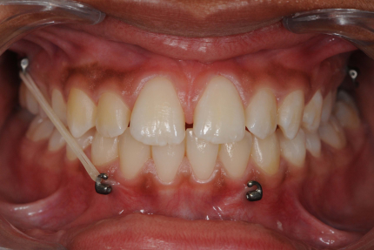
Three types of miniplates, for different anatomies
The choice depends on bone quality and quantity at the maxillary buttress.
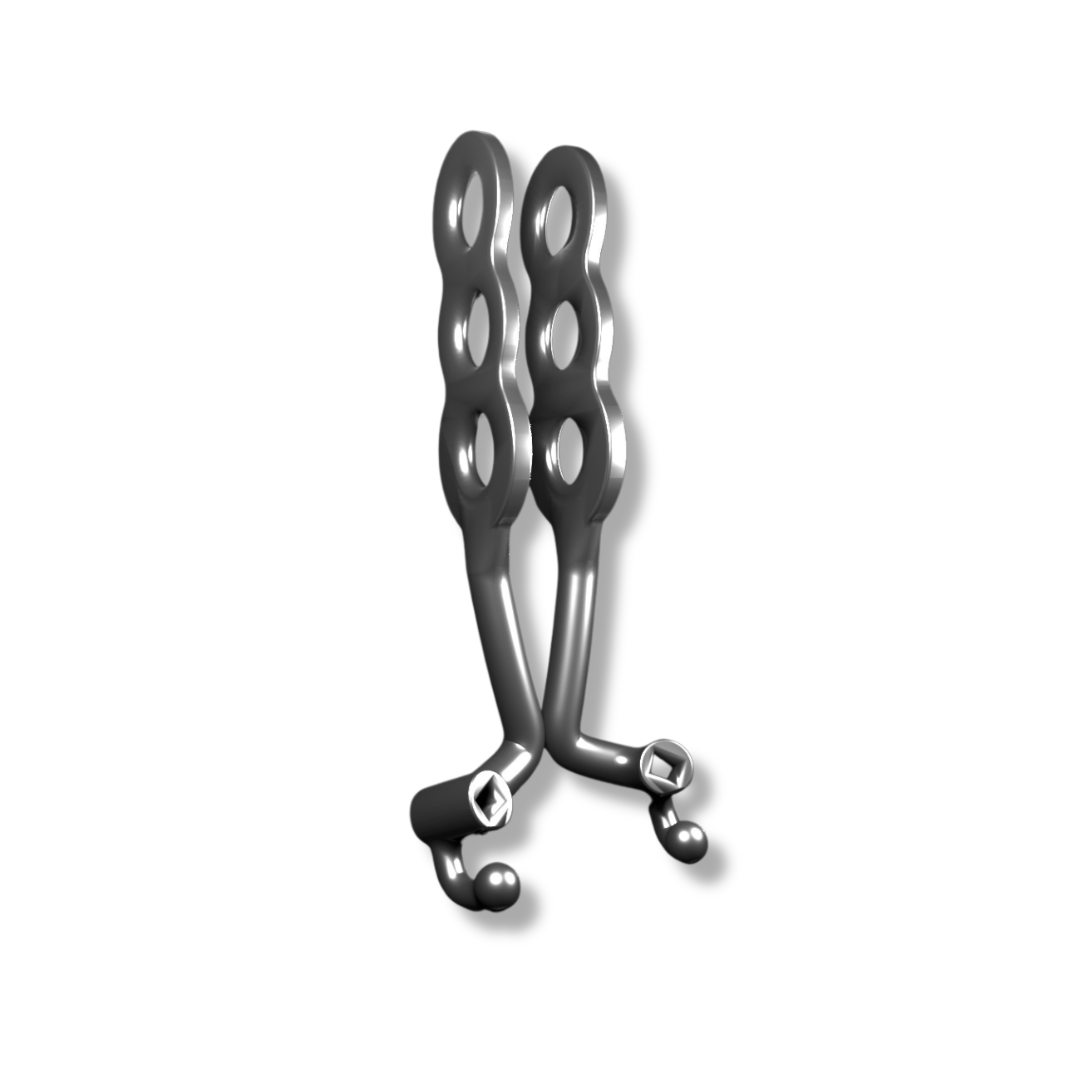
Standard Bollard (BH)
Straight plate, preferred for normal anatomy and good-quality bone. Maxilla: 21 mm, 3 holes. Mandible: 16 mm, 2 holes. Hook and .018" × .025" tube for orthodontic attachments.
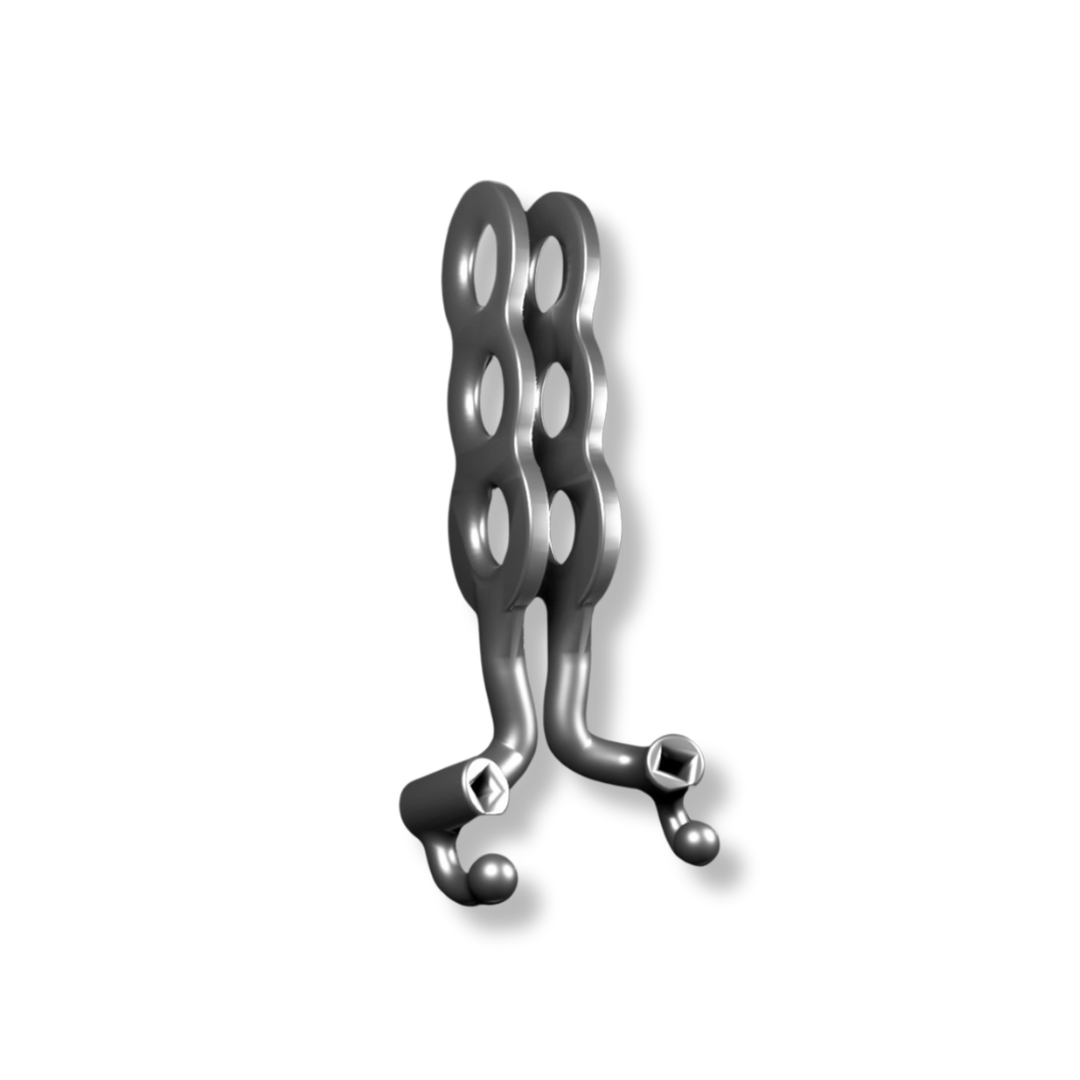
Bollard with Hook Short (PED)
Shorter 18 mm plate with 3 holes. Indicated in the maxilla when bone quality is uncertain and the implant has to be placed closer to the teeth.
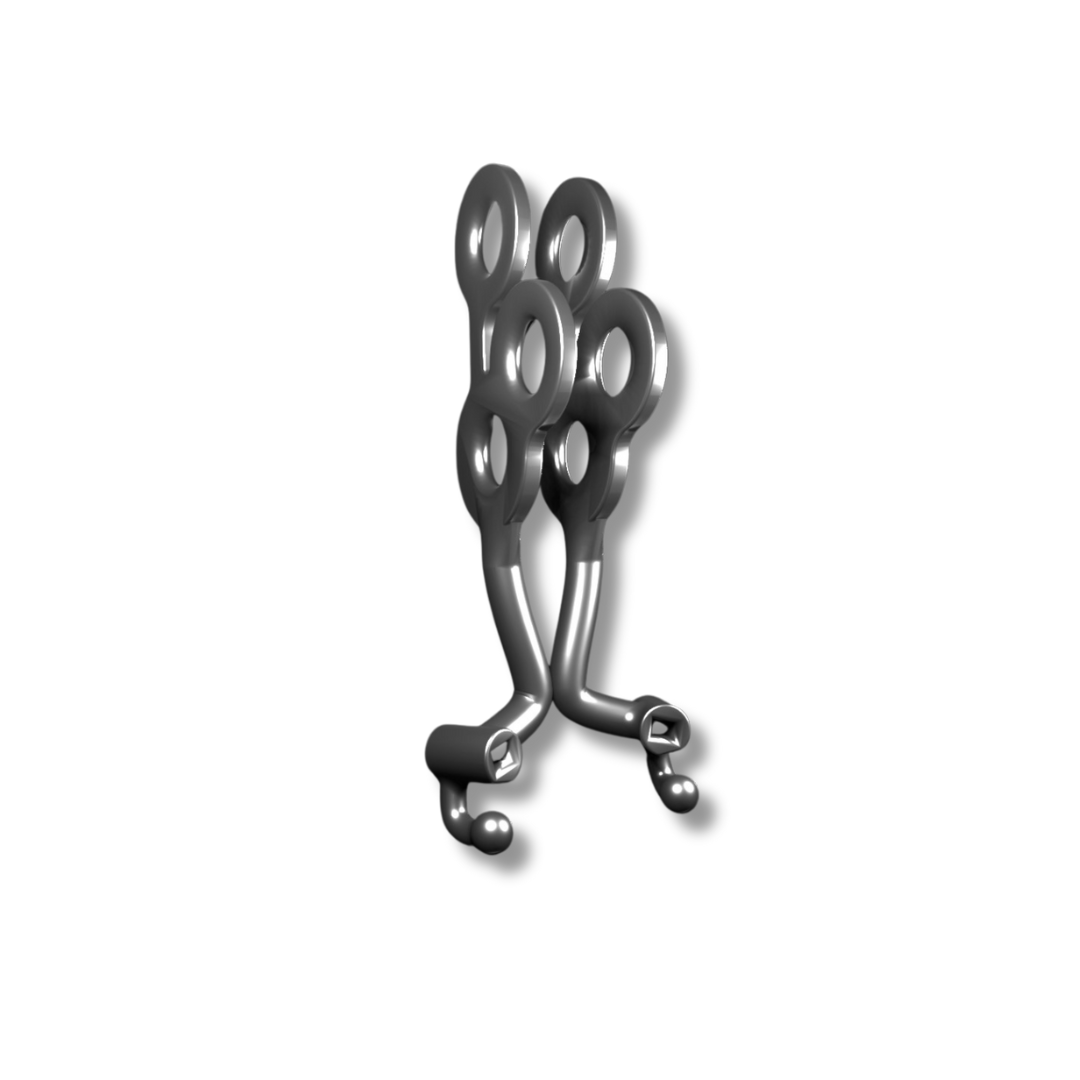
Y-shape Bollard (Y)
Y-shaped plate, 19 mm, 3 holes, in soft-grade titanium. Adapts closely to the maxillary buttress when bone is limited.
Prices and ordering
Bollard miniplates, screws and instruments.
Bollard clinical guide
Frequently asked questions from orthodontists, surgeons and patients, grouped by topic. Click a question to see the answer.
What is the best age to start treatment?
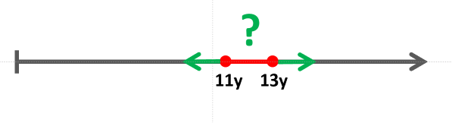
The best age is between 11 and 13. Before the age of 11, the bone, especially in the maxilla, may be too thin or its density too low, which reduces the mechanical retention of the screws. Bone strength increases with age.
However, suture interdigitation and resistance to separation also increase with age. That is why orthopaedic treatment is recommended to start before the age of 13, especially in girls. Even so, there is great individual variability in growth changes, so limited growth stimulation can still occur after 13.
Besides stimulating sutural growth, remodelling of the ramus and glenoid fossa leads to closure of the gonial angle and a slight posterior repositioning of the joint. This limits the forward projection of the bony chin. It is not yet clear whether these remodelling changes last longer than the sutural growth changes. About 40% of the overall anteroposterior changes occur in the mandible.
Delayed eruption of the lower canines can complicate insertion of the mandibular plates. This is discussed in detail in the “Surgery” section.
What is the loading protocol?

Elastic traction starts about 2 weeks after the miniplates are placed. The initial force should be light and increased gradually over the first 4 months by reducing the diameter of the elastics. The force depends on the distance between the upper and lower anchors. However, a typical sequence of light elastics is as follows:
The initial force is about 100 grams per side, and the final force after 4 months should be about 175 grams per side, with a maximum of 200 grams. This load is maintained for the rest of treatment. Higher force levels do not produce more midface protraction.
The patient should replace the elastics at least every morning and evening. Instructions for placing the elastics are given in the Patient section. The patient must wear the elastics 24 hours a day and should not remove them to eat or sleep.
Is rapid maxillary expansion needed for bone-anchored midface protraction?
There is no evidence that rapid maxillary expansion (RME) or alternate rapid maxillary expansion and constriction (Alt-RAMEC) significantly increases midface protraction. “Disarticulating” the sutures does not appear to have a major effect on forward growth of the maxilla. However, during expansion the infraorbital bone surface moves slightly forwards and outwards, which leads to a slight forward movement of point A.
Mild transverse discrepancies correct themselves during bone-anchored Class III traction, thanks to the improved anteroposterior relationship between the upper and lower jaws, and need no maxillary expansion.
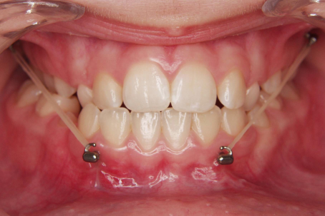
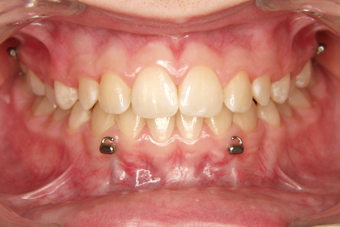
RME may be indicated in cases with severe transverse maxillary hypoplasia leading to a unilateral or bilateral crossbite. Expansion should be done before orthopaedic treatment starts.
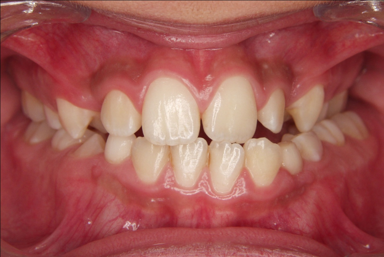
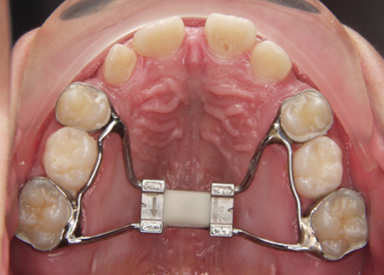
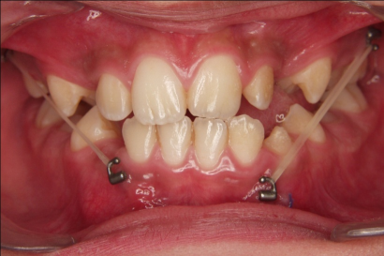
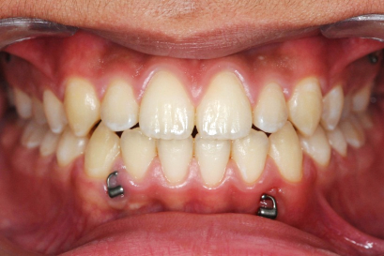
Why and when is a bite raiser needed, and which type should I use?
In cases with an anterior crossbite without an open bite, forward movement of the upper arch will be blocked by the lower incisors. A bite raiser is then needed.
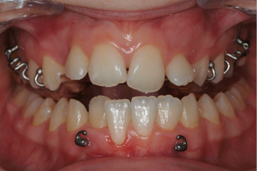
Bonded acrylic bite raisers have the advantage of not depending on compliance. However, a removable acrylic bite plate has the advantage that springs can be added to procline one or more incisors, to jump the bite faster and shorten wearing time. Teeth grinding always creates indentations of the lower teeth in the acrylic covering the upper teeth. These indentations restrict anteroposterior growth changes, so they must be removed at every monthly visit by grinding the acrylic. This is much easier on a removable appliance than on a bite raiser bonded in the mouth.
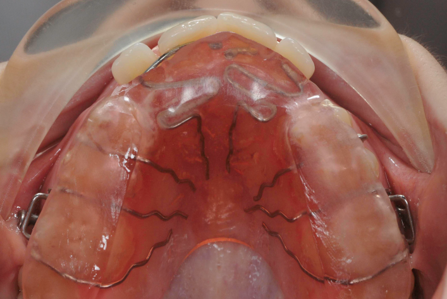
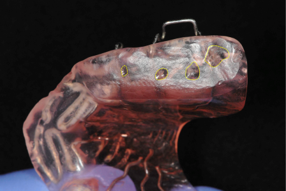
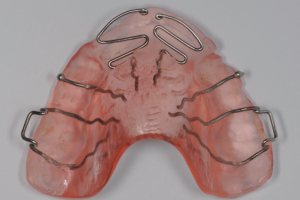
To avoid time-consuming acrylic adjustments at the first visit, send the lab technician, together with the upper and lower alginate impressions or digital scan, a wax bite or digital record with the incisors edge to edge, so the appliance can be made with the right thickness. For Adams and ball clasps, we recommend 0.7 mm hard spring stainless steel wire from Dentaurum. Rather than using 4 separate propulsion springs, use double springs, also in 0.7 mm wire. The acrylic covering the propulsion springs can be reinforced with a metal mesh.
What is the retention protocol?
Active treatment consists of wearing intermaxillary elastics for at least 1 year. In cleft patients, a wearing period of 18 months is recommended.
Afterwards, fixed appliance treatment is usually needed to align the arches and achieve a good, stable occlusion. During this treatment, elastic traction is usually stopped because the elastics interfere with the fixed appliance. Otherwise, elastic traction can continue.
After debonding the fixed appliance, there is still some remaining growth potential that can lead to some relapse of the skeletal Class III. In that case, additional elastics must be worn 24 hours a day for as long as the relapse tendency persists. That is why the bone anchors should only be removed close to the end of growth.
What should I do in a case with mandibular asymmetry?
Asymmetric growth of the mandible leads to a deviation of the chin and the lower dental midline.
Remodelling processes in the ramus and gonial angle are affected by continuous bone-anchored elastic traction. Asymmetric traction can lead to asymmetric remodelling in the left and right ramus and in both glenoid fossae, but it also causes asymmetric orthopaedic effects in the maxilla. Clinical observations show that growth changes in the maxilla occur mostly in the first 6 months. To avoid maxillary asymmetries, in cases with mandibular asymmetry it is recommended to start elastic traction on both sides and switch to unilateral elastic use for the rest of treatment only after 6 months.
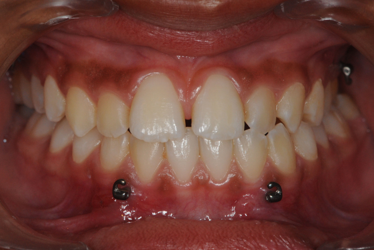
How does it differ from the face mask?
1. Anchorage: with a face mask, the elastics are attached to a bonded or removable acrylic splint or to a hyrax in the upper jaw. If skeletal anchorage is used in the maxilla, twice the amount of protraction is achieved, not only with the BAMP protocol but also with a face mask. The key to successful midface protraction is above all the use of skeletal anchorage instead of dentoalveolar support.
2. Force: bone-anchored orthopaedics uses half the force of a face mask. Higher force levels do not produce more protraction. In addition, with BAMP the elastic traction is continuous and is not interrupted during the day.
3. Age: while face mask treatment is recommended to start in the early mixed dentition (before the age of 9), the BAMP protocol starts in the late mixed dentition (between 11 and 13).
4. Intraoral appliance: because no extraoral appliance is needed, compliance with elastic wear is better with BAMP than with a face mask, and the elastics can be worn 24 hours a day.
5. Expansion: expansion before a face mask is still the gold standard. However, with skeletal anchorage no expansion is needed, except in severe transverse hypoplasia.
6. Mandibular rotation: chin cup pressure from the face mask always leads to posterior rotation of the mandible and an increase in vertical facial dimension. With BAMP, the line of force of the elastics runs above the condyles and causes anterior rotation of the mandible and a slight closing of the mandibular plane angle.
When and how should I add a hook to the Bollard?
After trauma, a hook on the lower Bollard can fracture. You can easily make a new hook by inserting a piece of 0.016" x 0.022" stainless steel wire into the 0.018" x 0.025" tube of the Bollard. It can be secured by bending the protruding end downwards and inwards. If there is a risk of lip irritation, the end can be covered with a drop of flowable composite after bending.
Sometimes an elastic attached between the upper and lower Bollard miniplates can irritate the gums or touch a tooth. This can be solved by adding a hook in the lower Bollard tube to raise the point of force application, away from the tooth or gum.
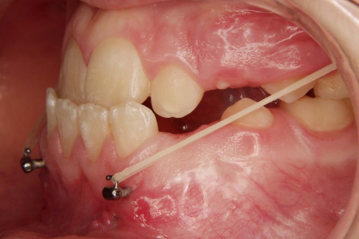
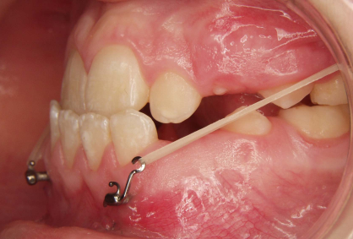
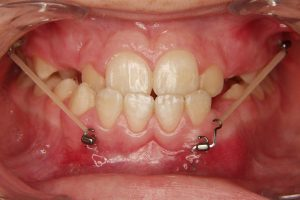
Can I use this treatment in cleft patients?
Scar tissue from surgical closure of the lip, hard palate and soft palate restricts forward growth of the maxilla and causes midface hypoplasia. Recent research shows that, despite the scar tissue, cleft patients can achieve a result with BAMP very similar to that of non-cleft patients, including in the maxilla. However, wearing the elastics for at least 18 months is recommended.
What should I do when a bone anchor becomes mobile?
Mobility can be caused by poor oral hygiene and local infection, by jiggling forces or by poor bone quality, especially in the upper jaw, where cortical bone can be very thin in growing patients. If mobility persists, the bone anchor must be removed under local anaesthesia.
Two to three months later, the bone will have healed and be of better quality than at the first surgery, so the miniplate can be replaced with a lower risk of loosening.
What is the best surgical protocol?
Maxillary placement
On the infrazygomatic crest
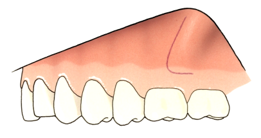
An L-shaped incision with an anterior convexity is made. The vertical part of the incision (1) is made about 1 cm mesial and parallel to the infrazygomatic crest, down to 2 mm below the mucogingival border. The incision is extended distally (2) with a horizontal incision 2 mm below the mucogingival margin.
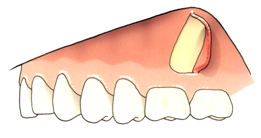
A posterior mucoperiosteal flap is raised to expose the bone.
The Bollard miniplate is angled at the junction between the plate and the round bar, opposite to the curvature of the bone surface. The Bollard miniplate is positioned without pre-bending just in front of and parallel to the infrazygomatic crest. The 90° angle of the round bar should be at the level of the horizontal incision, 2 mm into the attached gingiva.
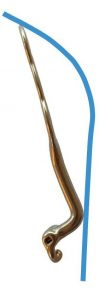
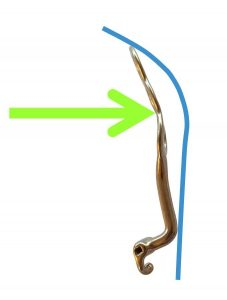
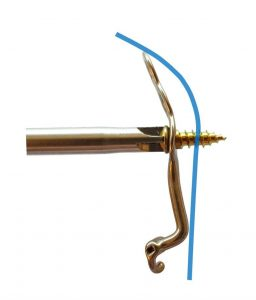
While the miniplate is held in place by a needle holder through the middle hole, finger pressure or a metal instrument is applied at the lower hole to push and gently bend the plate against the bone surface. The lower screw is inserted.
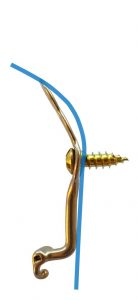
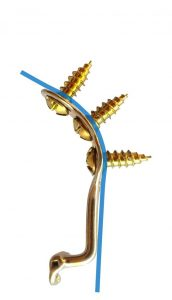
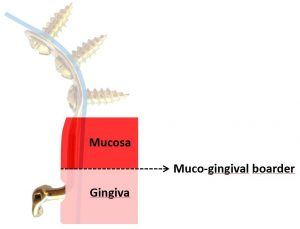
While the screw is being tightened, the needle holder is removed, and the lower part of the miniplate will be pressed and further adapted to the bone surface. The screw is not tightened fully, to allow a slight rotation before the second screw is inserted. The middle screw is inserted. Again, the central part of the plate will be further adapted to the bone curvature as the screw is tightened. Finally, the upper screw is inserted and all screws are tightened firmly.
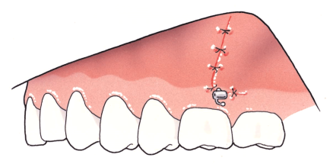
This procedure gives you contact between the 90° angle of the round bar and the alveolar bone, easy closure of the mucoperiosteal flap and perforation through the attached gingiva, with no risk of mucosal dehiscence.
Mandibular placement
Between the lateral incisor and the canine
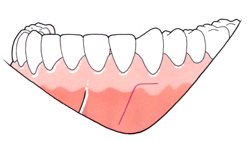
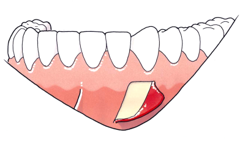
The same procedure is followed for the lower jaw. An inverted L or hockey-stick incision is made, with the horizontal extension 2 mm into the attached gingiva.
Without pre-bending, the plate is positioned with its long axis parallel to, and between, the roots of the lower canine and lateral incisor.
With light pressure and by tightening both screws, the miniplate will adapt automatically to the curved bone surface, with close contact between the 90° angle of the round bar and the alveolar bone, facing the attached gingiva.
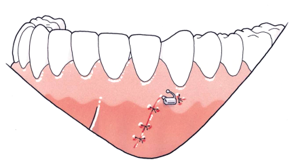
Why should I never pre-bend the anchor?
If you remove the curvature, angled opposite to the bone surface curvature, by pre-bending the lower part of the miniplate before fixing it to the bone, then after the 3 screws are inserted the 90° angle of the round bar will not touch the alveolar bone. Lack of contact with the alveolar bone will lead to perforation of the mobile mucosa above the mucogingival junction in the maxilla and below it in the mandible, with a high risk of local infection and screw loosening. This is the main cause of loss of stability after surgery.
Which type of Bollard miniplate should I use?
Three sizes are available for the maxilla: the standard 21 mm length, an 18 mm paediatric size and the Y shape with a total length of 19 mm.
Although the paediatric model is the shortest, placing the standard length (BH-UL(R)-21) or the Y shape (BH-UL(R)-19-Y) is recommended, including in children.
The advantage of the Y shape is that the lower screw is inserted at the base of the crest, where cortical bone is thicker than in front of the crest. The round bar is longer and the lower screw is further from the upper molar roots than with the paediatric model. The middle and upper screws are also closer to the crest, and all 3 screws have slightly different angulations. This leads to better stability.
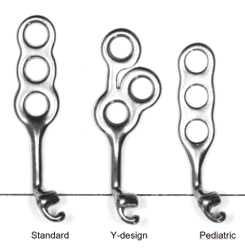
Which screws should I use?
Self-drilling titanium screws of 5 to 7 mm, with a 2 mm diameter, are recommended.
What are the best locations for fixing the plates?
In the maxilla, the best location for the straight Bollard miniplate (BH-UL(R)-21 or BH-UL(R)-18-PED) is just in front of the infrazygomatic crest, with its long axis parallel to it.
The Y-shaped Bollard miniplate (BH-UL(R)-19-Y) is inserted with the lower screw at the base of the infrazygomatic crest, the 2 upper screws on either side of the crest and the long axis of the round bar perpendicular to the occlusal plane.
In the mandible, the standard straight model (BH-LL(R)-16) is inserted between the lateral incisor and the canine, rather than between the canine and first premolar, where the height of the attached gingiva is reduced and a labial frenum may be more or less present.
Do I have to wait for the lower canines to erupt?
Most often, the lower Bollard miniplates are inserted after the lower canines have fully erupted.
To avoid interference between the osteosynthesis screws and the unerupted lower canine germ in a case of delayed eruption (the patient may become too old for orthopaedic treatment), an upper Y-shaped Bollard miniplate from the same side can exceptionally be inserted in the mandible. The plate is fixed with the lower and middle screws only, and no screw is inserted through the upper hole (facing the germ).
What type of anaesthesia should I use?
The devices are placed under local anaesthesia. However, if compliance problems are expected, placement under N2O sedation or IV sedation is recommended. To reduce the risk of infection, miniplate insertion should not be combined with extractions of teeth close to the insertion site.
Are antibiotics needed?
Antibiotics are not mandatory; the surgeon decides whether they are needed, based on clinical experience and the individual assessment of each patient.
Removing the miniplates: when and how?
Bollard miniplates are removed at the request of the treating orthodontist, when there is no tendency for skeletal Class III relapse after the fixed appliance is debonded.
Bollard miniplates are usually removed under local anaesthesia. Through a small vertical incision over the top of the screws, the screws are removed first. Sometimes there may be subperiosteal bone overgrowth that makes it harder to engage the screw and may require removing the overlying bone first. Exceptionally, there is so much bone deposited on the plates that it is advisable to cut and remove only the round bar connecting to the intraoral attachment unit.
What should I do when a miniplate becomes mobile?
Mobility can be caused by poor oral hygiene and local infection, by jiggling forces or by poor bone quality, especially in the upper jaw, where cortical bone can be very thin in growing patients. If mobility persists, the bone anchor must be removed under local anaesthesia and, after thorough rinsing, the surgical site should be closed.
Two to three months later, the bone will have healed and be of better quality than at the first surgery, so the miniplate can be replaced with a lower risk of loosening.
What is the result of treatment?
The aim of this treatment is to stimulate growth of the upper jaw and restrain growth of the lower jaw.
Growth changes cannot be predicted exactly because they vary from one patient to another. The combination of growth changes in the upper and lower jaw improves the occlusion (bite) and facial aesthetics, with a less prominent chin.
How do I attach the elastics to the bone anchors?
Your orthodontist may give you plastic aids to help you attach the elastics in the first few days, but you will very quickly learn to place the elastic with your index finger, hooking it first on the upper bone anchor and then stretching it and hooking it on the lower one.
It is very important to place the elastic only around the hook and not around the whole extension of the bone anchor, as this can irritate the gums.
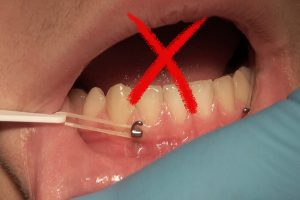
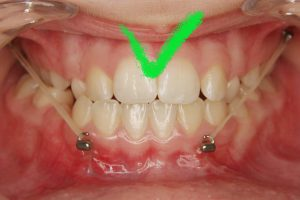
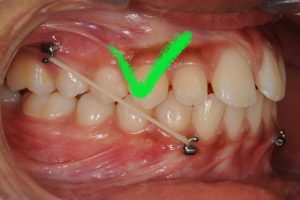
Which elastics should I wear, and for how long?
Your orthodontist will give you the right elastics. Over the first 3 to 4 months, the elastic size will be changed gradually to increase the forces slightly.
The elastics must be worn 24 hours a day, including during meals and while sleeping. Remove them to brush your teeth and replace them with new ones every morning and evening.
Usually, the elastics are worn for one year, followed by treatment with a fixed appliance.
How do I clean the anchors?
Cleaning the anchors is very important to avoid local infection. Use a soft brush without toothpaste, pull the lower lip back and open your mouth slightly. Brush around the bone anchor with small, gentle movements.
To brush the upper anchors, pull your cheek back with one hand and place the brush above the teeth, in front of the bone anchor. Brush around the bone anchor with small, gentle movements.
After cleaning all 4 anchors, brush your teeth with a manual or electric toothbrush and toothpaste
What should I do if my lip or cheek is irritated?
Especially after surgery, because the lips and cheeks are swollen, the lining in front of the bone anchor may become irritated. In that case, you can cover the bone anchor with a small amount of soft orthodontic wax. You can easily remove it before brushing and replace it with a new piece of wax afterwards. After a few days, when the irritation has gone, you can stop using the wax.
What is the best age to start treatment?
The best age is between 11 and 13. Before the age of 11, the bone in which the anchors are fixed may be too thin or too soft, which can reduce screw stability. Bone strength increases with age.
After 13, growth slows down and the effect of treatment will be smaller. Girls in particular stop growing earlier than boys.
Is the surgery painful?
Bone anchors can be inserted under local anaesthesia, sedation or general anaesthesia. Which option is best for you should be discussed with your orthodontist or surgeon.
Thanks to the anaesthesia, the surgery is not painful. As after wisdom tooth removal, you can expect swollen cheeks for about 3 days. The amount of swelling varies and can be reduced by applying an ice pack after surgery.
When can the bone anchors be removed?
After wearing the elastics for about 1 year, fixed appliance treatment is usually needed to straighten your teeth. The bone anchors are kept during and after this orthodontic treatment. After the fixed appliance is removed, the lower jaw sometimes grows too much. Elastics may then still be needed to stabilise the correction.
Depending on how growth develops, your orthodontist will advise you when to remove the anchors. The anchors are most often removed under local anaesthesia.
How is it different from face mask treatment?
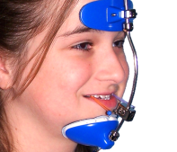
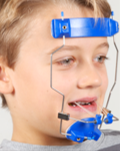
A face mask can also be used to stimulate growth of the upper jaw.
It is an extraoral appliance that has to be worn 14 hours a day, whereas with bone anchors the elastics can be worn day and night.
With a face mask, the elastics are attached to a tooth-supported orthodontic appliance in the upper jaw. This leads to more tooth movement and smaller growth changes.
In general, bone-supported anchorage achieves twice as much growth change as a face mask.
What should I do if a bone anchor becomes mobile?
This can happen when the bone is very thin and weak where the surgeon inserted the anchor.
That is why this treatment is not recommended before the age of 11. Another cause can be poor oral hygiene or repeated jiggling forces from touching the bone anchors with fingers or tongue, or from playing with the elastics attached to them.
If an anchor exceptionally becomes mobile, stop wearing the elastics, avoid applying jiggling forces and ask your orthodontist for advice. After stopping the elastics and improving oral hygiene, the bone anchor can become firm again. If mobility persists, the bone anchor must be removed under local anaesthesia and replaced after 2–3 months.
Quality and training
Why order from UpOrtho
Brands
International
Orthodontic products from trusted manufacturers.
Support
Specialist
Dedicated support for the needs of orthodontic professionals.
Planning your first case with Bollard miniplates?
We will tell you which components you need for a complete Class III case.